Tuesday, 25 December 2018

Ghani Khamma Jawai Bera


Dear readers wish you all a very happy Christmas, the time to celebrate the festival and welcome the New Year. I know I was missing on Sunday without any news but as usual, you know I will bounce back with information unique place with great pictures. Once again, the reason for missing out is my visit to one of the best place in the wilderness; such visits are like oxygen that gives the energy to survive in the concrete jungle

This time around the trip was planned as a reunion of old friends (return of Ranthambore Gang) and to welcome our beloved Amol to India for a short trip. We all wanted a place that is completely different from what we have already experienced till now, the thought was to find a place which is far away from the city and is rich with wilderness. I know our demand was really difficult but not impossible because we have an expert (our own Mowgli ST), we just demand and he delivers with a bang, he is Santa for us in a true sense. Now you know how we plan out of the box place let me open the surprise box to introduce you to the place, which is not known to many but let me tell you the place is like Kohinoor amongst the others. So please give a round of applause to “Jawai Bera.” Let us see why Jawai Bera is such a jewel

A land of Elusive Cats and A Village of Hearts 

The title is just created by me to give you a snapshot of Bera, the title is best suited because At Bera people share a spiritual connection with leopards and man-animal conflict is largely absent. Mark my words you will not find such a relationship between wild and human anywhere in the World, this is the beauty of the place. This is not the only thing let me update you on facts along with our experience so as you can understand the uniqueness in a better way

It has a classic landscape with Aravalli hills dotting scrubland vegetation such as cactus and keekar, hillocks with caves provides leopard a perfect habitat hence it is also known as leopard country

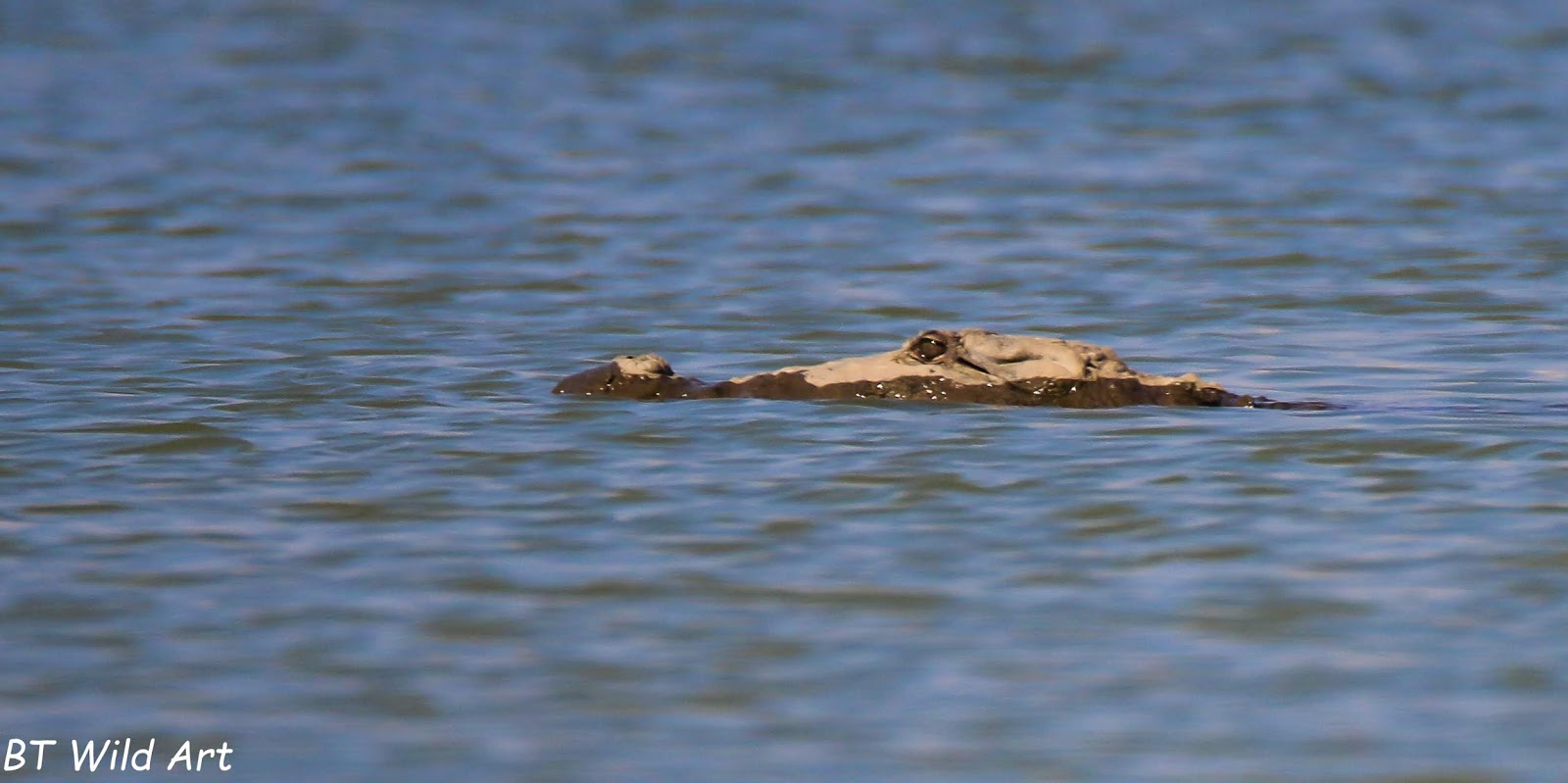
The human wild relationship, Aravalli hills, hillocks with caves is an added flavor of Jawai River and Jawai Dam. What else you can ask for; such lethal combination invites migratory birds and Crocodiles to feel at home

Now let me tell you why it is a village of heart, the foremost reason is due to the kind of respect they have towards wildlife and they know the importance of wildlife in their day to day life, this is just unmatched character of Bera villagers

The nature of people wins the heart, the kind of hospitality they offer is commendable. Not at a single point, you will see arrogance in them. Words like Hukum, Ghani Khamma, and calling everyone with suffix Ji makes them the most humble people on Earth, they really won the heart with their hospitality

I hope you would love to visit a place with endless qualities, we are lucky that we are blessed with such natural place in our own Country, we should take advantage to explore such destination at least once that will help our coming generation to understand the culture and importance of nature and wildlife. Now let me update you on the list of sightings we had for capturing it in our photo world

Wilderness unlimited

In addition to main attraction Leopard we were lucky to sight Grater/lesser Flamingo, Shrike, Ring Plover, Red-vented Bulbul, Godwit, Brahminy Duck, Pelicans, Bar-headed Geese, Shikra, Eagle Owl, Black Shoulder Kite, Egyptian Vulture, Osprey, Painted Stork, White Collared Dove, Green Bee Eater, Parakeets, Magpie Robin, Francolin, Babbler, Laughing Dove, Nilgai, monkey, Mongoose and many more

While ending the blog, I would like to convey sincere thanks to each one who made this trip a memorable one

Expert Planner

Saurabh, Jogi and Team Mumbai travel for introducing to such a lovely place, you people are truly expert

Partner in wilderness and madness

NRI kahika Amol😂, Vishnu, Saurabh, Amruta and Chitra Mam

Hospitality at Varawal Leopard camp

Hukum of Varawal Camp. Pushpinder Singh Ji Ranawat and team (including family members). Thanks for the stay, food, expert knowledge sharing, everything. Keep it up

Doonger Singh Ji for such a wonderful driving experience

A message of the Day 

Save Wildlife. Save Earth.

We should learn a lesson from Jawai Bera villagers, how to keep a balance between wildlife and human life to avoid conflicts. Wildlife helps you to not only save the nature but also provides an opportunity to earn your livelihoods, wildlife is harmless don’t harm the harmless.


Author:

BT Wild Art –Life is Safari. Enjoy it.

Photo World


Leopard on the rock

The new male leopard named by us as Kattappa

I can see you

The evening time to rock

Female leopard Lakshmi

The swimmer Croco

Lakshmi with her cub

Mother and cub enjoying evening time

It's playtime with mom

Croco enjoying cold water

Flamingo here as well

So many in a row

The Godwit 

Ring Plover

Dancing time for flamingo

Nilgai female with small one

The little one from Nilgai

I am hungry

The Male  - Nilgai

Red-vented Bulbul

Male leopard Katappa

Laughing Dove

Mongoose

Shrike

Our own Katappa 

The lovely evening at Bera

Nothing is better than Best Bera


Sunday, 16 December 2018

Big Bull Blue Bull


Thanks lovely people for a wonderful response, such overwhelming responses motivates me to travel to different places to search for something unique which I can deliver to you on blog platter. So let’s get into this week’s topic, from the last couple of week we have seen some wonderful birds so let me give you something different, I mean time to know about an animal. I thought a lot had few choices to make but I decided Blue Bull because it is my observation that not many people are even aware that such animal is in existence hence I decided to introduce Blue Bull which is also known as Nilgai, interesting isn’t it? Bull and Gai dual name, so let us get into the next section to read more.

The Blue Cow

The nilgai or blue bull literally meaning "blue cow"; Boselaphus tragocamelus is the largest Asian antelope and is endemic to the Indian subcontinent. See how you can identify them,  a sturdy thin-legged antelope, the nilgai is characterized by a sloping back, a deep neck with a white patch on the throat, a short crest of hair along the neck terminating in a tuft, and white facial spots. A large animal found in forest and grassland gives lovely moments to create a frame. It is not always you will find nilgai with blue color, so do not be surprised if you see tawny/orange color nilgai because females and juveniles are orange to tawny and not blue like a male blue bull.

After color identification, let us see where we can find them and what they eat etc. Nilgai prefer areas with short bushes and scattered trees in scrub forests and grassy plains. They are common in agricultural lands but hardly occur in the dense forest. Major populations occur in the Terai lowlands in the foothills of the Himalayas (northern India).

Nilgai are herbivores, they prefer grasses and herbs; woody plants are commonly eaten in the dry tropical forests of India. Studies suggest they may be browsers or mixed feeders. The nilgai can tolerate interference by livestock and degradation of vegetation in its habitat better than deer, possibly because they can reach high branches and do not depend on surface vegetation. Diets generally suffice in protein and fats.[49] The protein content of the nilgai should be at least seven percent. The nilgai can survive for long periods without water and do not drink regularly even in summer. Now I am sure you will be able to identify this large size animal in wild, do capture beautiful pictures with such a lovely animal. now let us see some facts as well. 

The Fantastic facts 

Nilgai is a large animal. It usually has 4 to 5 feet in height, 6 to 6.6 feet in length, weighing up to 530 pounds

Only males have horns. They are conical in shape, slightly curved forwards. In adult nilgai, horns can reach 5.9 to 9.4 inches in length


Nilgai can survive long periods without water
They are diurnal (active during the day) animal that usually lives in small herds, composed of animals of only one sex

Mating usually takes place between June and October. Females reach sexual maturity at the age of two and males one year later

Males will mate with more than one female during mating season. They do not form harems but rather wander around looking for females that are ready for mating

Nilgai lives 12 to 13 years in the wild and up to 21 years in captivity.

One of the sad facts of Nilgai is that it is not liked by many because Nilgai has been considered a pest in several north Indian states, as they ravage crop fields and cause considerable damage. In Bihar, authorities have classified the nilgai as vermin


Rather declaring Nilgai as Vermin hope Authorities takes some reasonable step to secure crops as well as this lovely creature


A Message of the Day 

Don’t harm the harmless, to keep them alive do the best that you can


Author

BT Wild Art 

Life is Safari. Enjoy it.


Deadly DSLR:


Sunday, 9 December 2018

Royal Roller – Indian Roller


Royal Roller – Indian Roller

My dear friends hope you are doing fine, I know uncertainty day by day is creating frustration, no one is sure of how many waves are yet to come. In this difficult time, we need to ensure that our physical and mental health is not disturbed. Health drinks, early morning walk or take a small break with plan "Do nothing" spending good time with friends and family will give you booster and yes please complete the vaccination at the earliest without paying attention to rumors of best and not so best. 

In this time I know it is not easy to decide on travel hence I am trying my best to publish something different every time. With this thought, bringing the details of one of the most beautiful and colorful birds “Indian Roller” 

The Neelkanth 

The bird is known for its combination of beauty and habits, both compliments each other so well that it has reached the level to become the State bird of not only one but three states. 

The Indian roller is significantly known for its aerobatic display that has earned the bird its former English name. Whilst in a perched position, the Indian roller performs displays like wing drooping, bowing, and tail fanning which is performed as an act of courtship. Another quality of twist and turn is its version of bathing that involves direct dives into the water, usually from a high altitude or height, this was assumed that this act is for fishing

The roller is special to me because this is amongst my first few clicks, I still remember the first forest visit Nagzira where this “Man in Blue” attracted me with colors and activity. First love will always remain in the heart which the case with Roller. Let’s explore this beauty more in the next section

The Fantastic facts 

Indian Roller is also known as Neelkanth or Blue Jay

Indian Roller flaunts the brilliant combination of colors on its feathers. This beautiful bird has a mesmerizing sky blue-colored tail with a hint of Prussian blue color. The feathers towards the center have a dull green tint. Its throat and neck are purplish lilacs in color with a dash of white streaks

Indian Roller is State bird of three States, Karnataka, Telangana, and Odisha

It is quite rare for the Indian Roller to fly in a groups 

Frogs top the favorites’ list when it comes to the Indian Roller’s diet. Besides frogs, the bird also feeds upon all kinds of insects including crickets, grasshoppers, moths, butterflies, and wasps

The male Indian Roller is known for its unique and startling sexual display, which it performs during the breeding season. During the course of the display, the Indian Roller bird flies high up in the sky and descends downwards in a circular motion, flapping its wings rapidly. It also produces harsh chack sounds during the act

The Indian roller is considered as a sacred bird in Hindu mythology and is associated with the deity Lord Shiva

So many qualities are there with this lovely creature, facts are endless, hope you enjoyed every bit of it, please shower your blessing and keep motivating me to deliver unique stuff, and at the end, do not forget to share feedback on btwildart@gmail.com

BT Wild Art

DSLR Section